IMI KNOEBEL
Dorme un canto in ogni cosa
A cura di Gianluca Ranzi
Opening day 3 marzo, dalle 12.00 alle 20.00
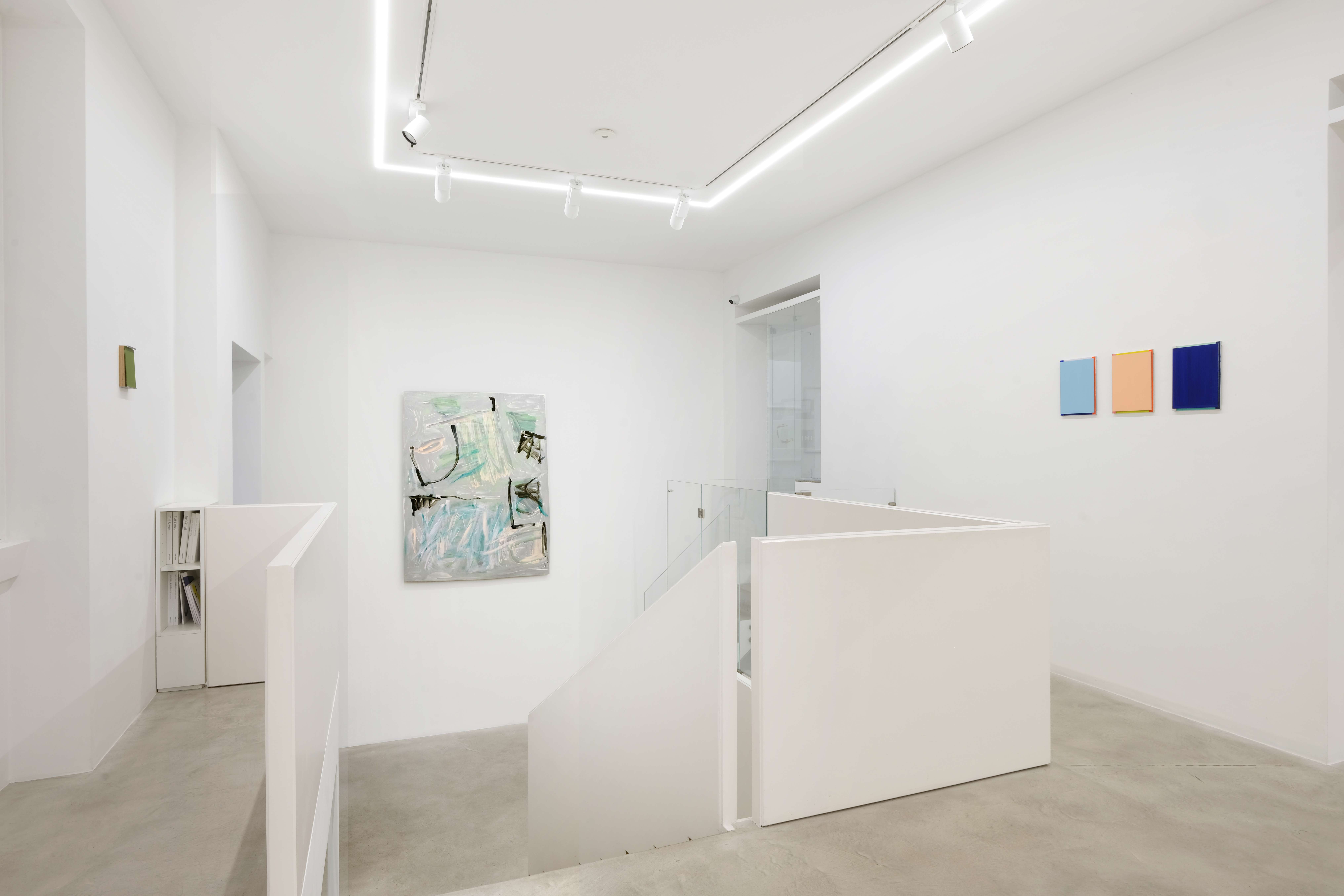
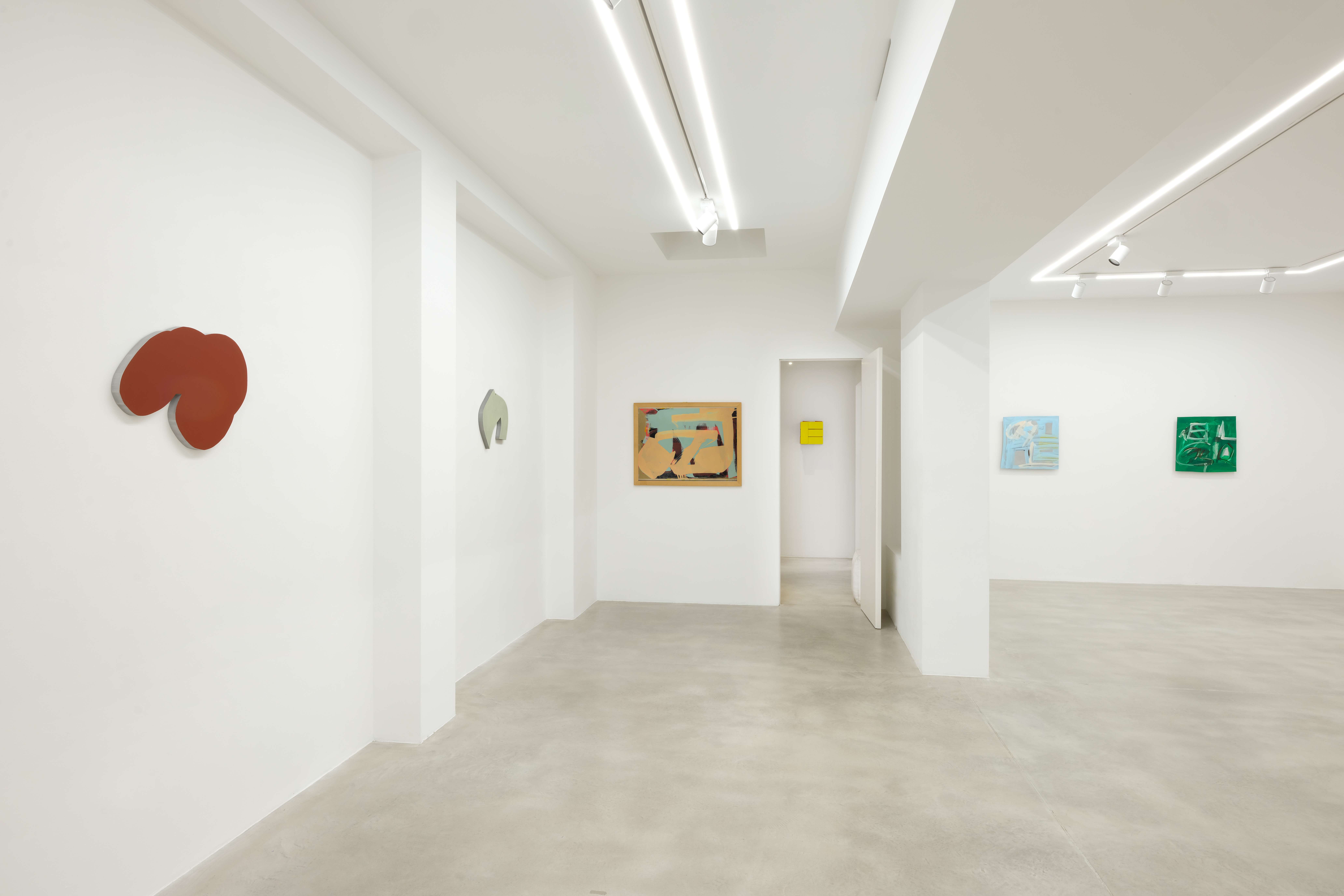

Dep Art Gallery presenta Dorme un canto in ogni cosa (Schläft ein Lied in allen Dingen), mostra dedicata a Imi Knoebel, uno dei protagonisti dell’astrazione europea del secondo Novecento. L’esposizione, a cura di Gianluca Ranzi, apre al pubblico martedì 3 marzo 2026 con un opening day dalle 12.00 alle 20.00, e sarà visitabile fino al 30 maggio 2026.
Il titolo della mostra riprende un verso del poeta romantico Joseph von Eichendorff, e suggerisce un’idea semplice e potente: esiste una “musica” silenziosa nelle cose, che può emergere quando si incontra la chiave giusta. In questo spirito, la mostra invita il pubblico a un’esperienza diretta e sensibile con l’opera di Imi Knoebel: tempo, sguardo e attenzione diventano strumenti per lasciarsi guidare da ritmo, equilibrio e intensità.
Imi Knoebel da sempre si muove sotto il segno di un’astrazione che spinge verso la più pura percezione: sono forme sensibili che l’artista sa “far cantare” attraverso il colore, la linea, lo spazio e i materiali. Il suo è un approccio multi-mediale, antigerarchico e anticonvenzionale che fin dalla fine degli anni Sessanta ha saputo oltrepassare i confini tra i generi artistici, facendo dialogare disegno, pittura, scultura, architettura, proiezione, fotografia e installazione.
Come evidenziato dalla cronologia delle opere in mostra, che parte da un Senza Titolo del 1983 fino ad alcune serie del 2025, il metodo seguito dall’artista è aperto e composito, consta di frequenti richiami e spesso si basa sulla riconsiderazione dei cicli precedenti, che diventano così il punto di partenza per quelli successivi, finestre che aprono altre finestre.
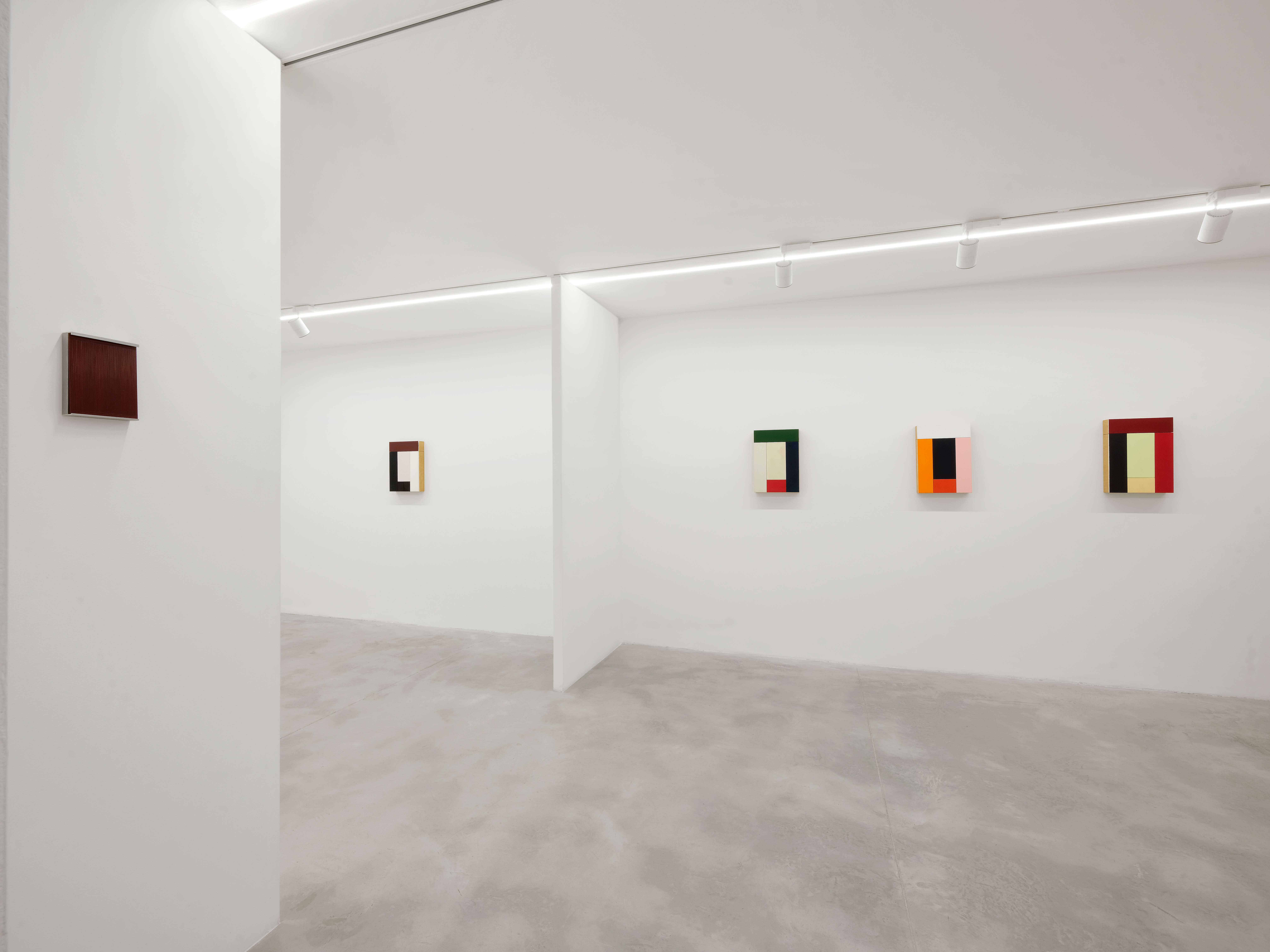
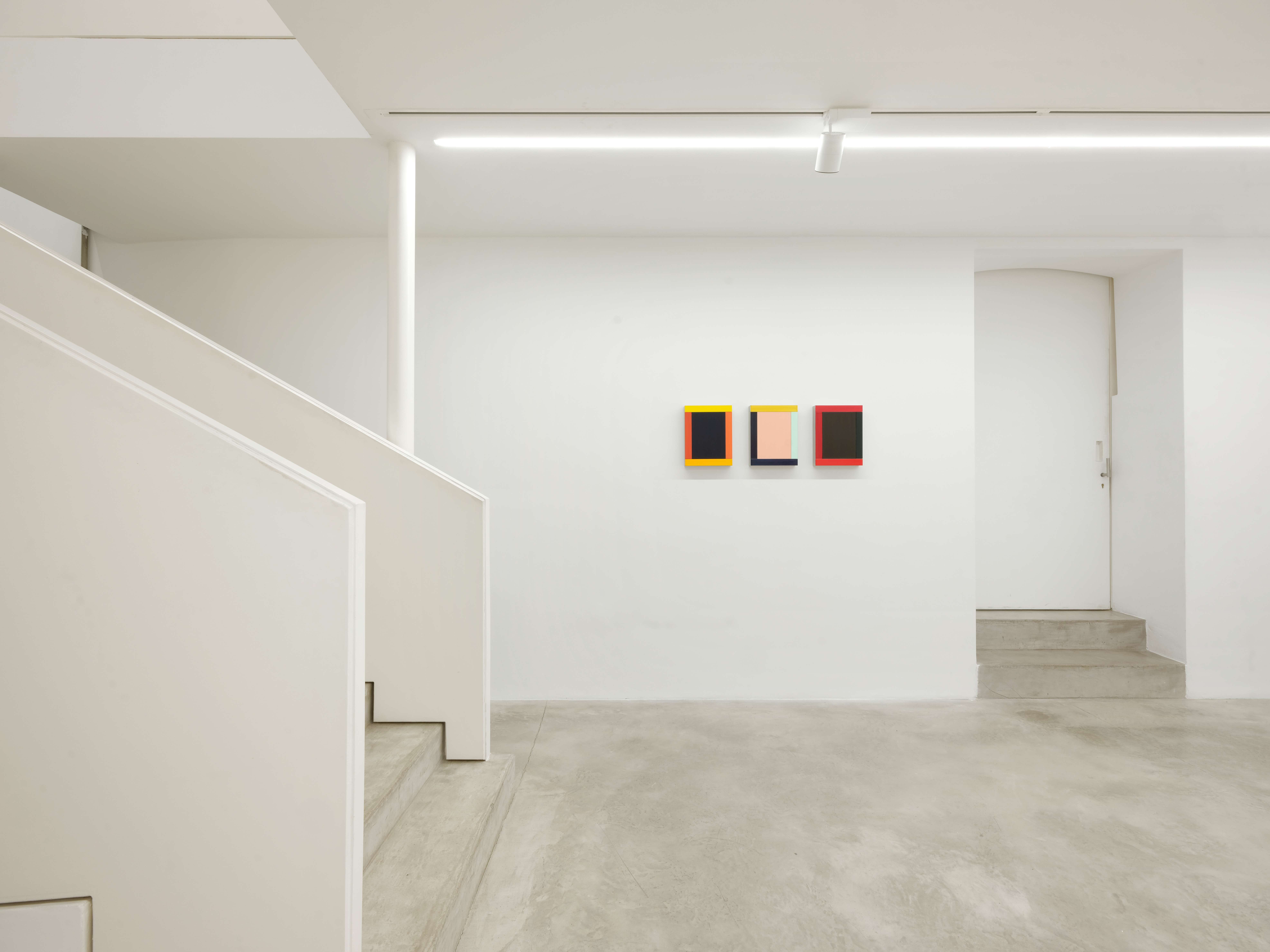
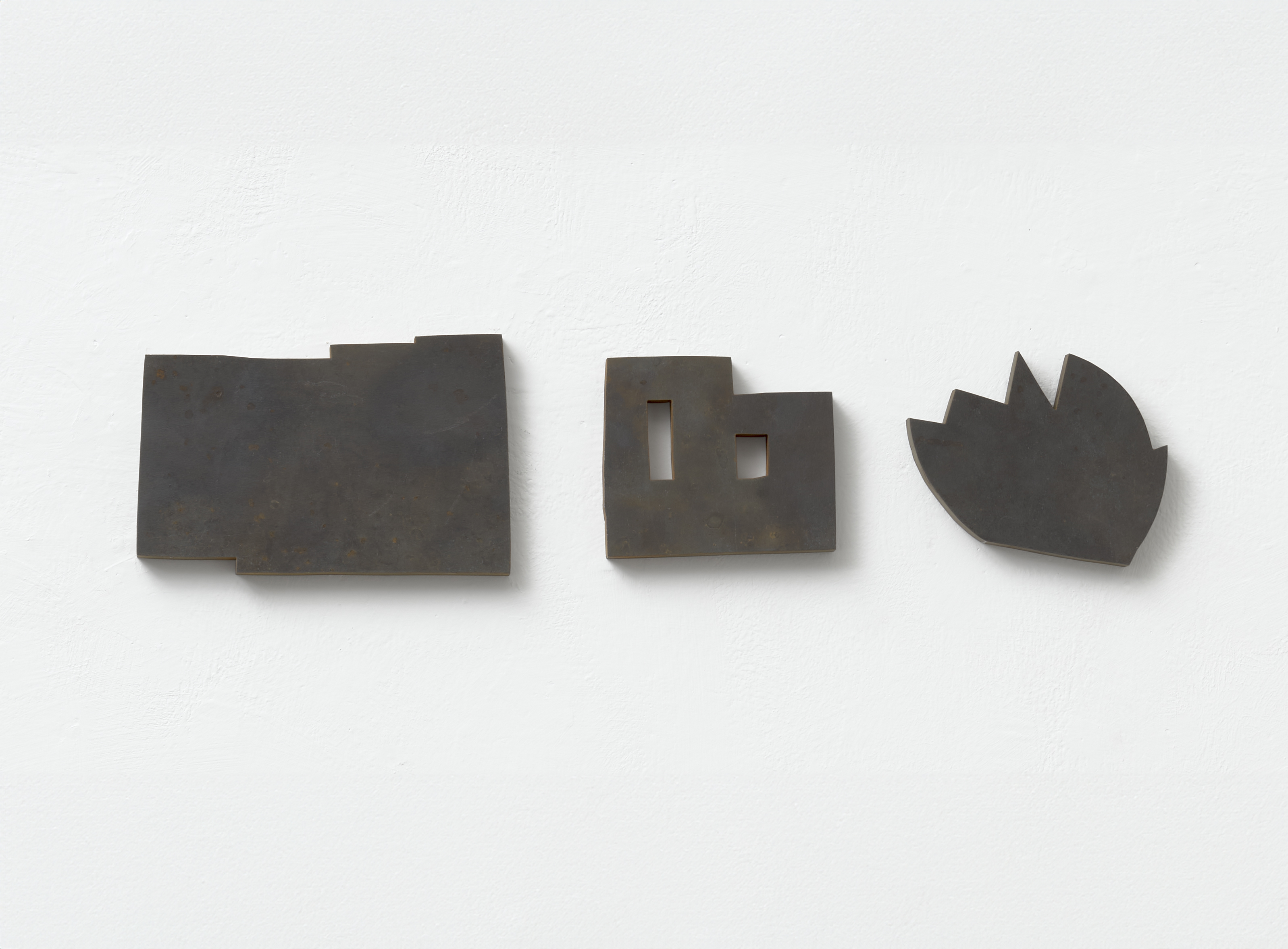
La bellezza insita nelle opere di Knoebel, ovvero il canto che egli sa far scaturire dalle cose, non nasce dalla logica o dall’espressione di contenuti esistenziali, così come non richiede spiegazioni spiritualiste o metafisiche, ma si appoggia alla pura percezione estetica sensoriale ed alle relazioni che l’artista fa scaturire dagli elementi compositivi. La mostra ricorda questo concetto abbinando una serie degli inizi degli anni Novanta (Portrait, 1991-92) e una dei primi anni duemila (Düsseldorf-Paris, 2001 e Dusseldorf-Reykjavik IV, 2000) con i lavori del 2016 (Tafel) e quelli del 2025, quali Zeichen, Ligatur ed Etcetera. Da questi accostamenti risalta con forza un vocabolario di forme che spazia dal rigore analitico alla gestualità, dalla linearità euclidea all’irregolarità dei contorni, dalla visibilità alla smaterializzazione, dal contrasto simultaneo alla fusione poetica di forme, colori e superfici.
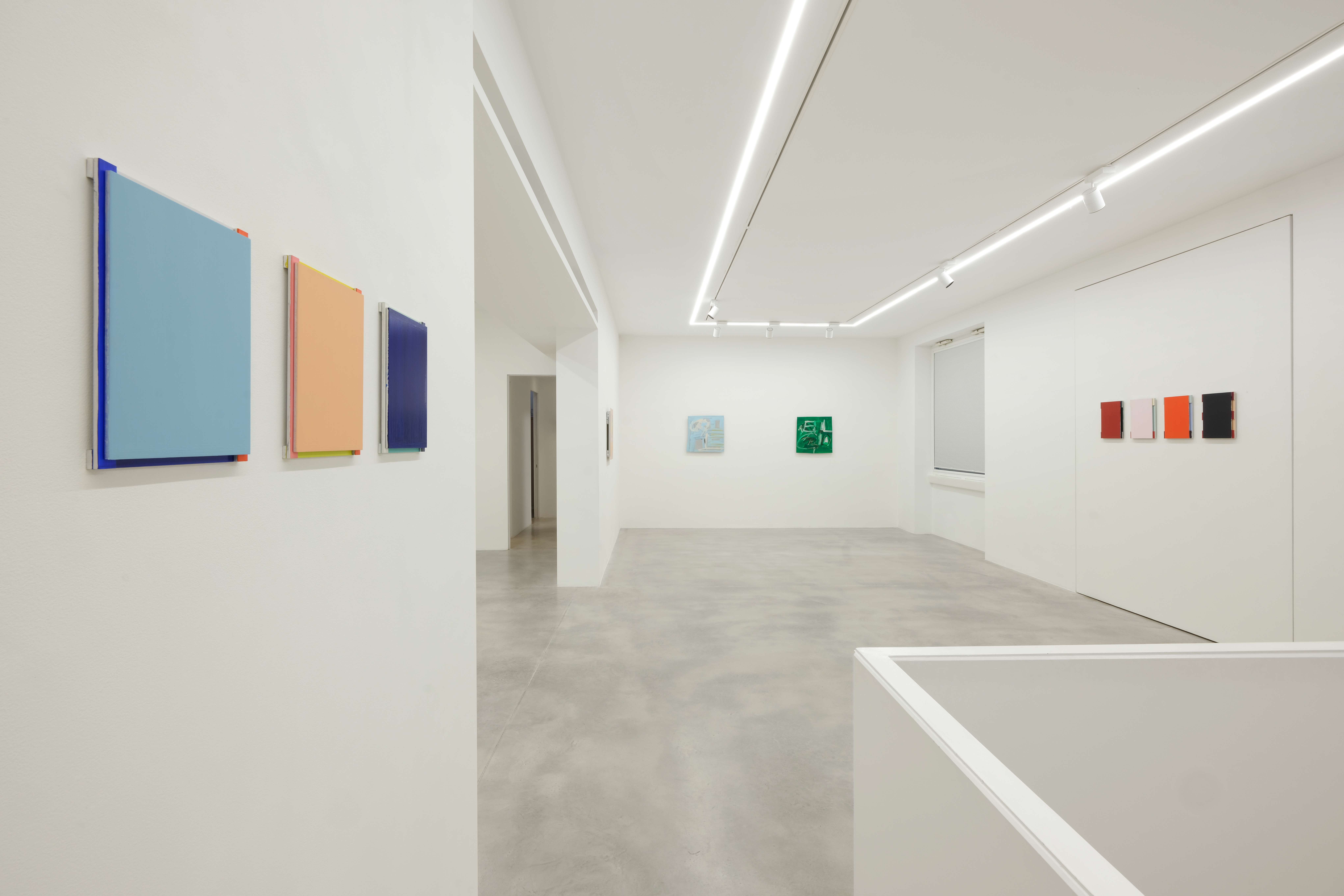
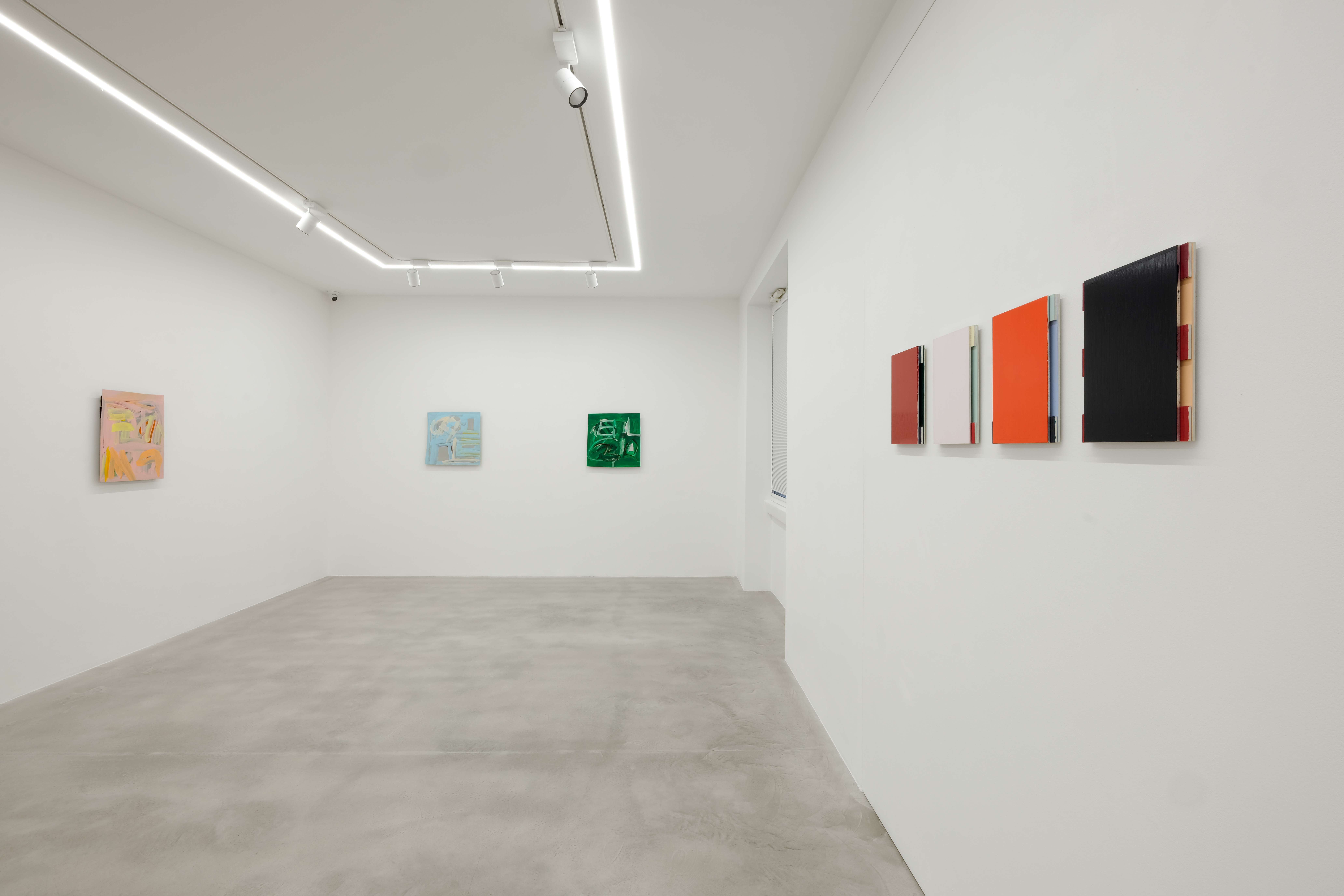
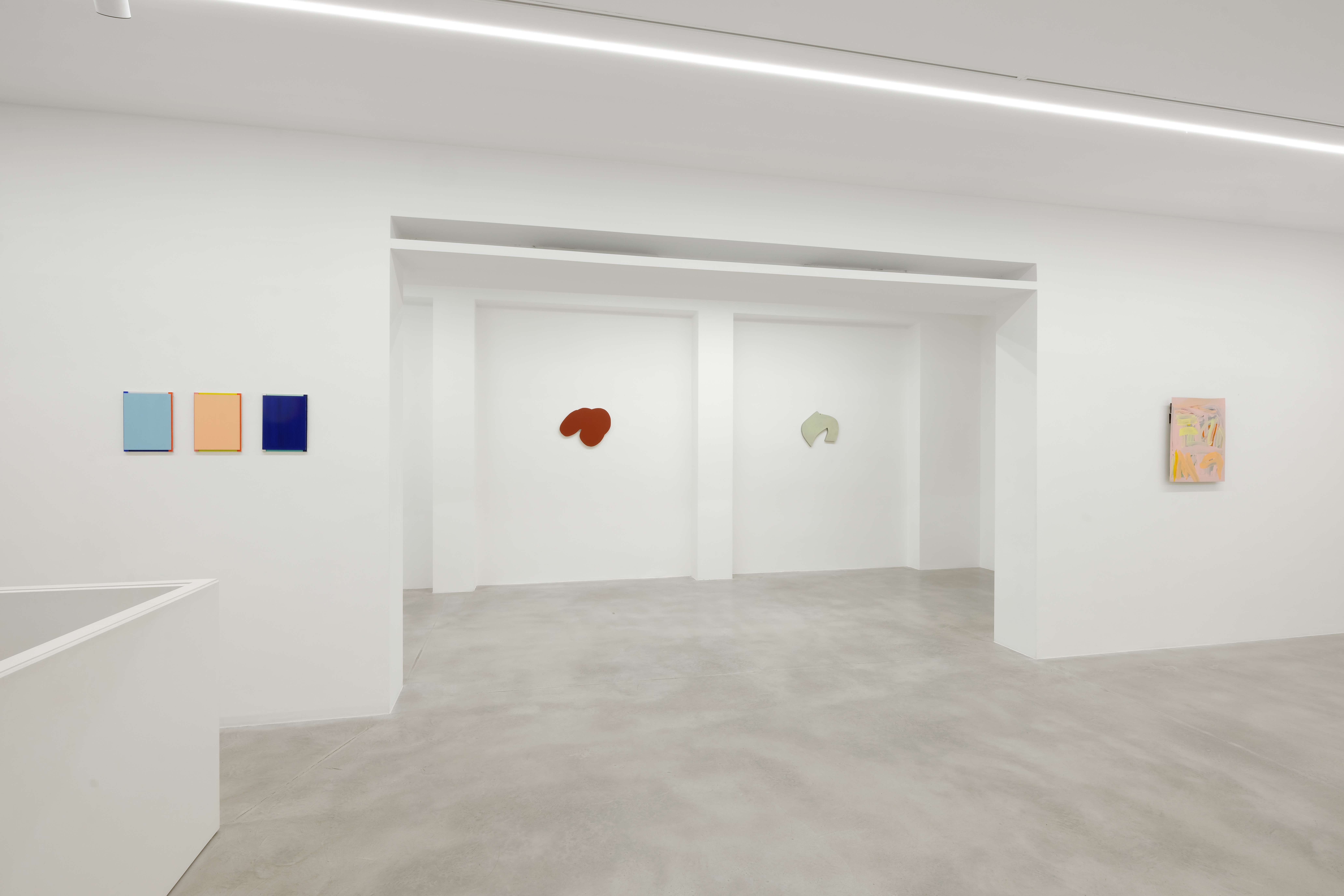
Il suo tipico metodo creativo, che si svolge attraverso gruppi o serie di opere, parte dalla fertilissima sperimentazione in studio fino ad arrivare alla creazione di opere dotate ciascuna di un carattere irripetibile: i Portrait ad esempio articolano l’asciutta essenzialità dei margini colorati in “ritratti” individuali, gli Zeichen posseggono la singolarità ineguagliabile e fluida di nuvole in volo, Ligatur ricorda i caratteri mobili di una grammatica visiva articolata in immagine poetica, le pennellate degli Etcetera evocano lettere, numeri e segni che affiorano in superficie come un’ennesima sfida alle consuetudini della visione: l’ennesimo canto di libertà di uno dei più radicali e significativi artisti contemporanei.
Accompagna la mostra un catalogo bilingue (italiano e inglese), con un testo critico di Gianluca Ranzi.
IMI KNOEBEL
A song sleeps in all things
Curated by Gianluca Ranzi
Opening day: 3 March, from 12:00 to 8:00 p.m.
Dep Art Gallery presents A song sleeps in all things (Schläft ein Lied in allen Dingen), an exhibition dedicated to Imi Knoebel, one of the leading figures of European Abstract Art in the second half of the 20th century. Curated by Gianluca Ranzi, the exhibition opens to the public on Tuesday, 3 March 2026 – from 12:00 to 8:00 p.m. on the opening day – and runs until 30 May 2026.
The title of the exhibition is drawn from a verse by the Romantic poet Joseph von Eichendorff, and suggests a simple yet powerful idea: there is a silent “music” in things, which may emerge when the right key is found. In this spirit, the exhibition invites visitors into a direct and sensitive experience with Imi Knoebel’s work: time, gaze, and attention become tools for letting oneself be guided by rhythm, balance, and intensity.
Imi Knoebel has always worked under the sign of an abstraction that pushes towards the purest perception: sensitive forms that the artist knows how to “make sing” through colour, line, space, and materials. His approach is multimedia, anti-hierarchical, and unconventional, and since the late 1960s has crossed the boundaries between artistic genres, creating a dialogue between drawing, painting, sculpture, architecture, projection, photography, and installation.
As the chronological order of the works on display shows – from a 1983 Untitled work to several series from 2025 – the artist’s method is open and composite, marked by numerous references and often based on a reconsideration of previous cycles. These thus become the starting point for the next ones, windows opening onto other windows.
The beauty inherent in Knoebel’s works – that is, the song he knows how to bring forth from things – does not arise from logic or the expression of existential content, nor does it require spiritualist or metaphysical explanations. Rather, it is based on pure sensory aesthetic perception and on the relationships the artist brings forth from the compositional elements. This concept is reflected in the exhibition as it combines a series from the early 1990s (Portrait, 1991–92) and from the early 2000s (Düsseldorf–Paris, 2001, and Düsseldorf–Reykjavik IV, 2000) with works from 2016 (Tafel) and from 2025, such as Zeichen, Ligatur, and Etcetera. These combinations powerfully reveal a vocabulary of forms ranging from analytical rigour to gestural expression, from Euclidean linearity to irregular contours, from visibility to dematerialization, from simultaneous contrast to the poetic fusion of forms, colours, and surfaces.
His typical creative method, which unfolds through groups or series of works, begins with prolific experimentation in his studio and leads to the creation of works each with an unrepeatable character. The Portrait series, for example, articulates the dry essentiality of coloured edges into individual “portraits”; the Zeichen possesses the incomparable and fluid singularity of flying clouds; Ligatur recalls the movable type of a visual grammar expressed through poetic imagery, while the brushstrokes of Etcetera evoke letters, numbers, and signs that emerge on the surface as yet another challenge to the conventions of vision — another song of freedom by one of the most radical and significant contemporary artists.
The exhibition is accompanied by a bilingual catalogue (Italian and English), featuring a critical essay by Gianluca Ranzi.